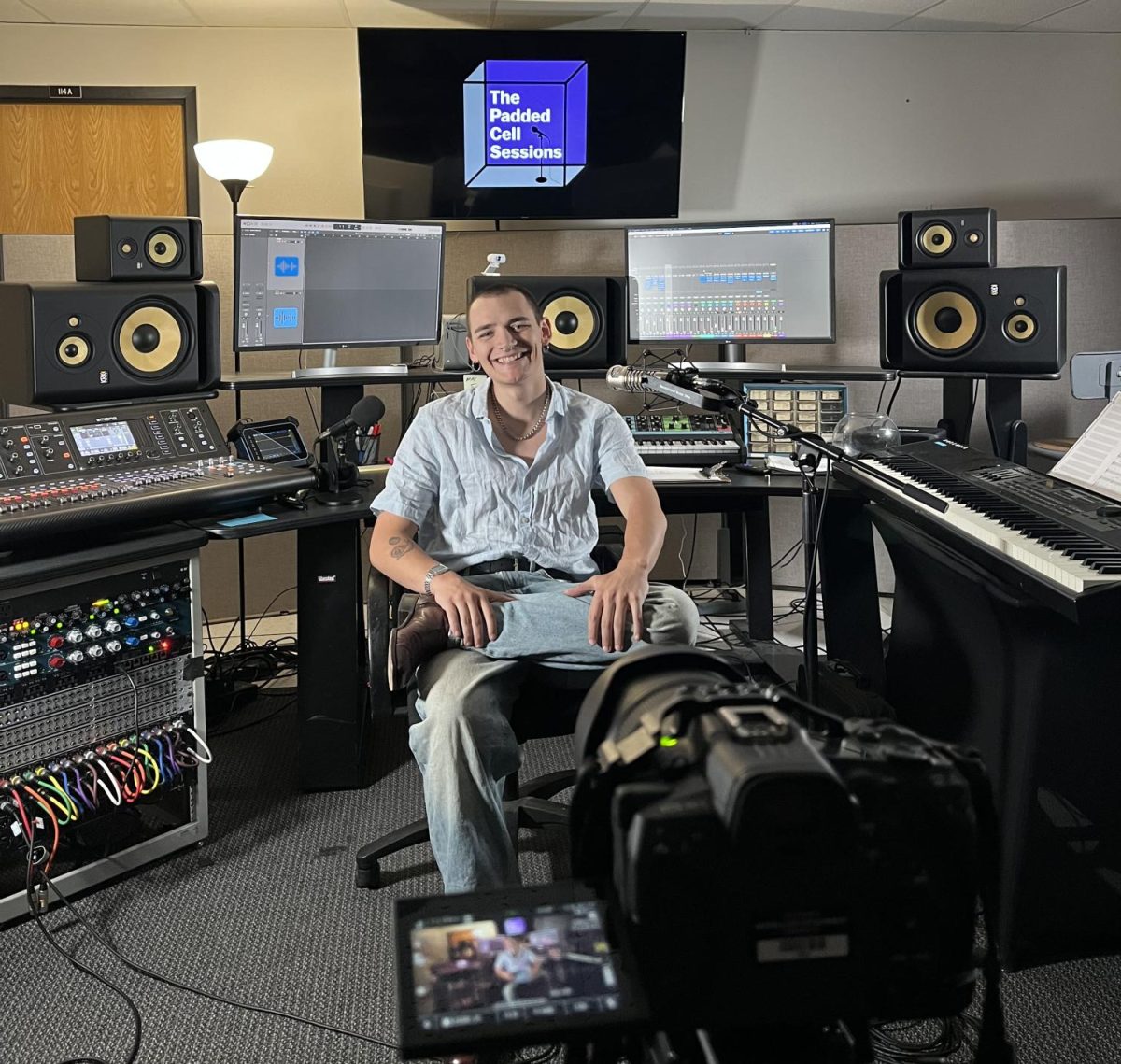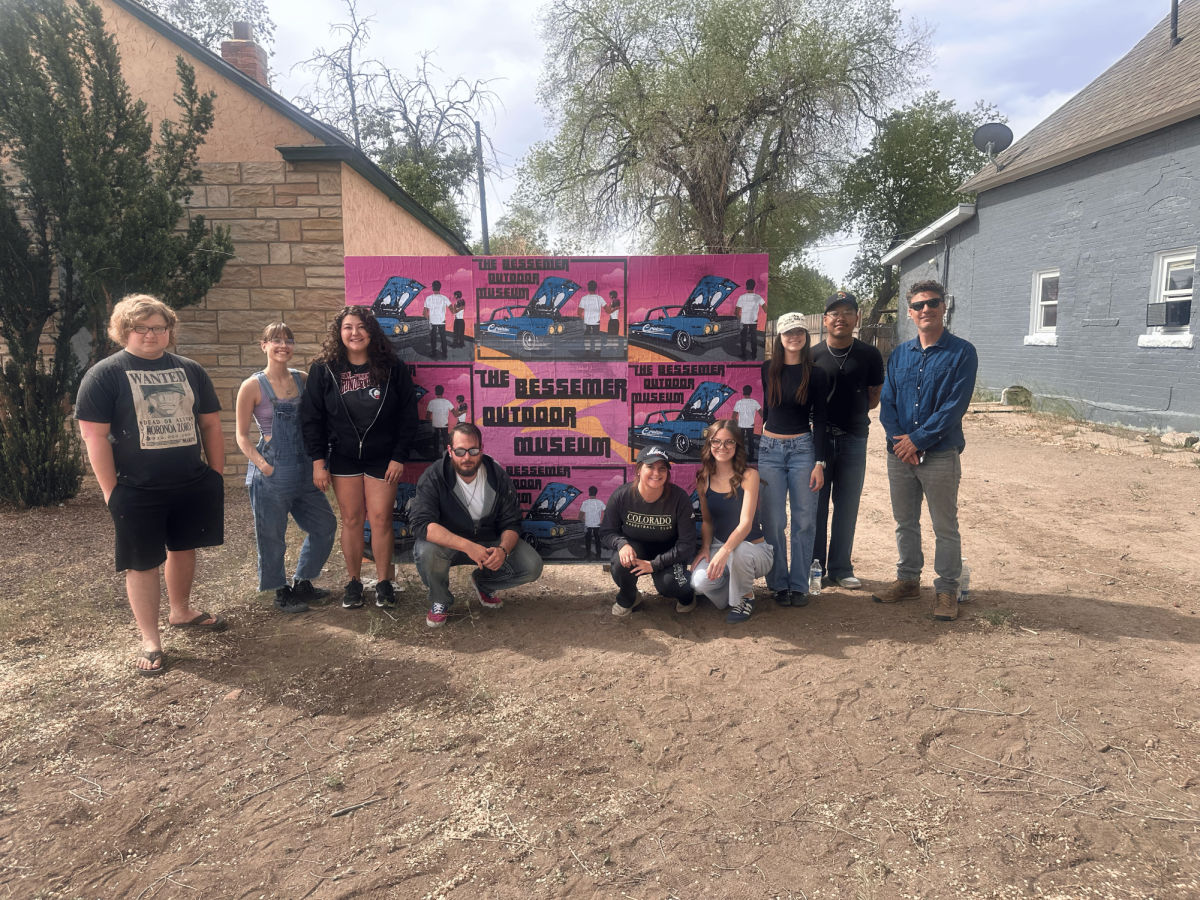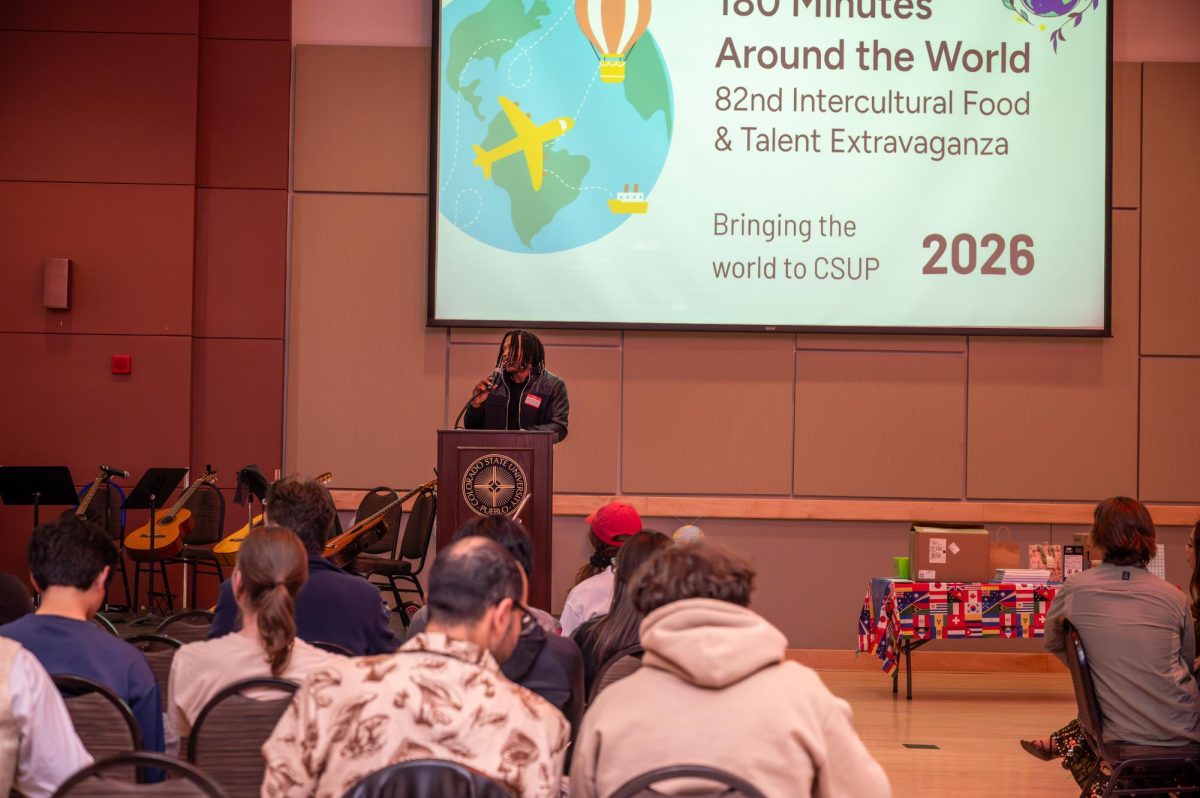




“Soundscapes of Pueblo” is a collection of oral histories centered on the music of Pueblo, CO. According to Susan Thomas, former Colorado University Boulder American Music Research Center (AMRC) director and one of the leaders of the project, the goal was to document the rich set of traditions and musical practices of Pueblo.
This collection of over 40 oral histories will not only be stored and freely accessible to the public in the University of Colorado digital library, but they will also be housed in the Colorado State University (CSU) Pueblo library.
“The community can decide what they want to do with those materials… we’re really excited about that,” said Thomas.
Through talking to a wide range of cultures, artists, and age ranges, “Soundscapes of Pueblo” aims to understand the past and present of Pueblo music on a deeper level.
“We wanted to know how people are making music. What are the challenges [of] making music in Pueblo? What’s the ecosystem?” said Thomas.
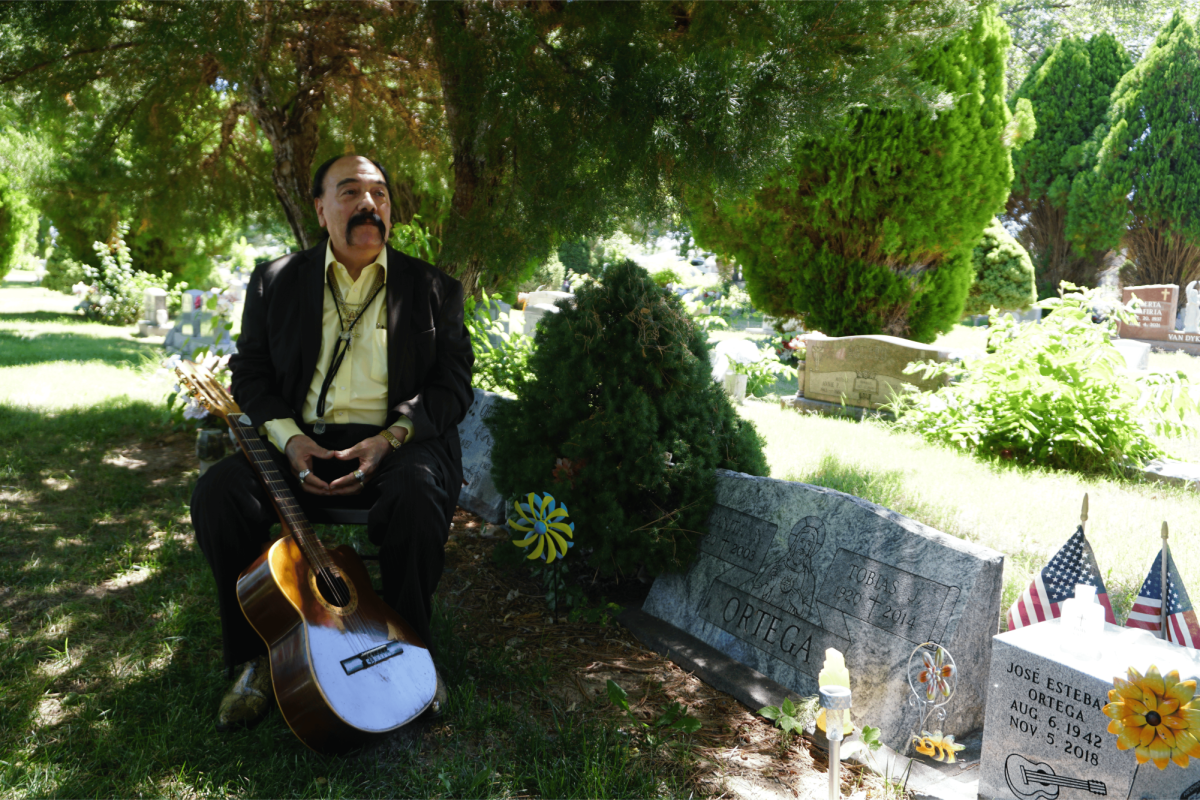
The community members that the project interviewed tell stories that reflect broader changes in Pueblo culture and industry. Xochitl Chávez, AMRC research affiliate and another project leader, believed that this process told of Pueblo’s history.
Both Chávez and Thomas spoke about hearing community members express a change in how music is celebrated and distributed. They found that shifts in technology have affected music culture in Pueblo. Thomas spoke about the ways that physical spaces used to host music have changed over the years. Chávez said many of the interviewees expressed a kind of grief over these changes. While many of these conversations reflected broad cultural shifts, they could also be very personal.
“For some of them [these interviews] were cathartic moments… families came together, it became a moment of remembering,” said Chávez.
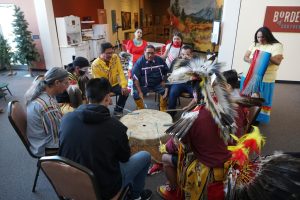
At the end-of-project celebration, Chávez and Thomas both said they were glad to connect with people over what they learned. Thomas said, “We hoped that openings for new forms of collaboration would come out of this project.”
For Chávez, the days leading up to the project celebration event were about making sure that the people she spoke to knew that their stories matter.
“Our intention is for the community and for students to see the neighbors, family members and friends,” said Chávez.