

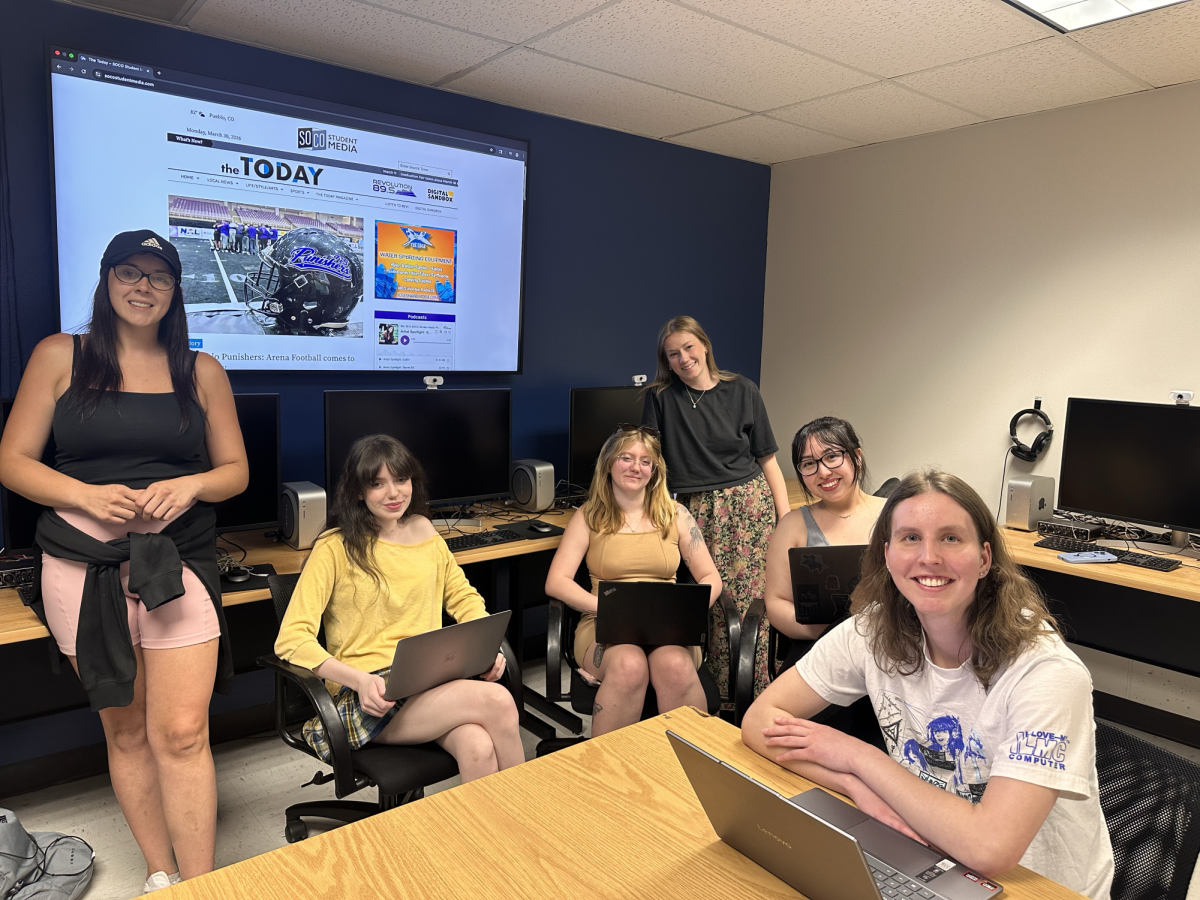
In honor of Women’s History month, The TODAY discussed leadership, journalism and how the women of the magazine feel about entering the field professionally.
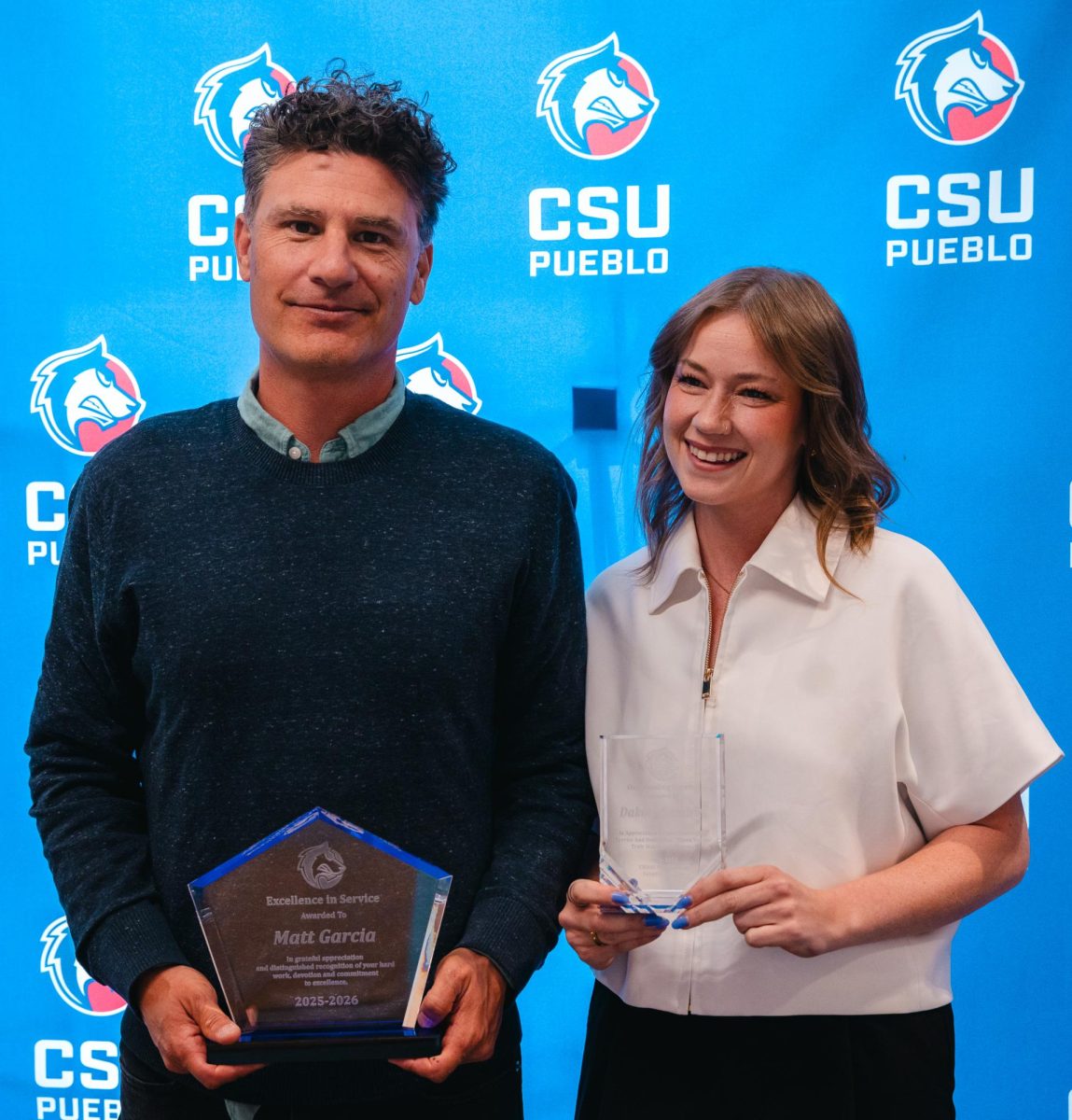
Dr. Dakota Sandras, faculty advisor for The TODAY, spoke to the value of such a student work environment. “The work that students are doing here is really professional level quality, not only in terms of what they are producing, but in terms of the dynamics and learning to work together as a team,” she said.
Sandras has been leading The TODAY for two semesters and has seen students take on leadership roles that involve interacting with the campus and city community. “I think it’s really preparing students for their transition from their education to a professional environment.”
Student members of The TODAY take on different roles as editors, designers, social media managers, and reporters. Emma Harry, a senior editor for The TODAY, explained her role, “We review every one of the stories that go out, whether it’s printed or published online. We [fact check], check for grammar, and make sure we are staying true to AP style.”
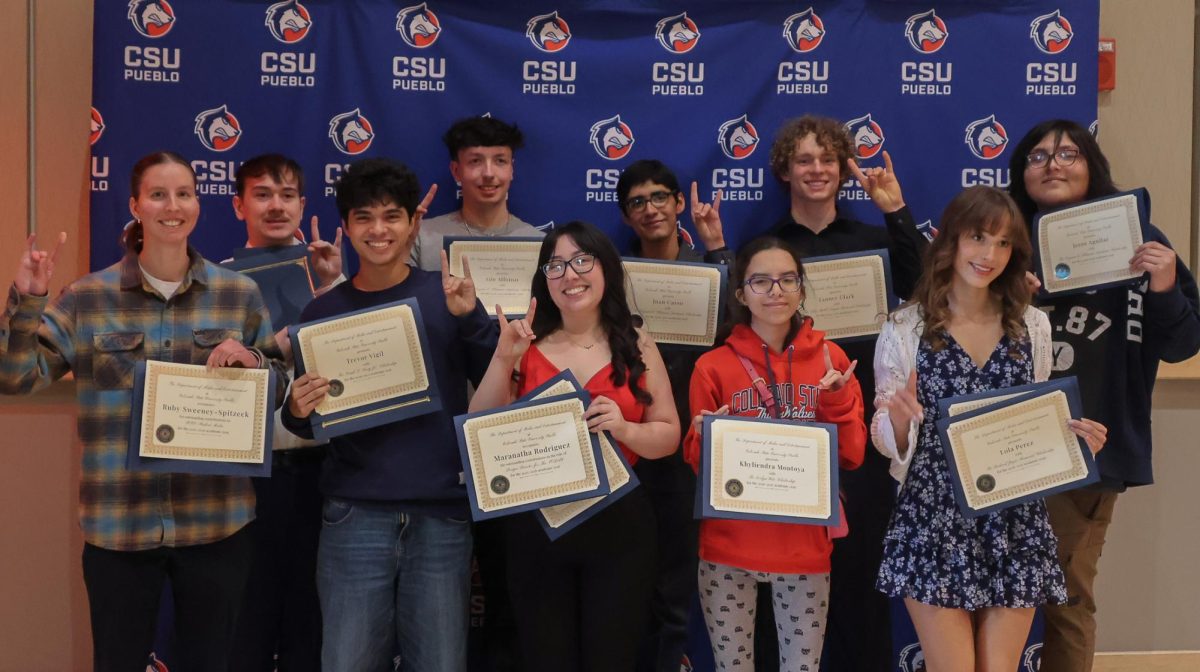
Beyond developing their place as professionals, The TODAY can help students develop specific skills in fields they are interested in. Ruby Sweeney-Spitzeck, senior videographer for The TODAY, said, “Video is something I am passionate about and interested in pursuing as a career. I think this is a great, professional setting to develop some of the skills I’m going to be transferring.”
Maranatha Rodriguez, senior designer for The TODAY, and Ashley Hughes, digital desk manager for The TODAY both discussed how positions have helped develop their abilities in interests they have had before working for the magazine. Rodriguez explained that she is interested in design even outside of journalism. Hughes’ work on the social media of The TODAY is an extension of social work she did before joining the magazine.
The TODAY’s value as a learning experience for students, extends beyond developing practical journalism and media skills. Professional work environments in journalism can prevent unique challenges for women. According to the International Federation of Journalists and the Reuters Institute, women occupy approximately 22%-27% of top editorial positions.
When asked about how this landscape affects her outlook on journalism as a career, Harry said, “It’s one of those things where if you’re entering any male dominated field there’s going to be some concern for…how far can you actually get?”
Rodriguez said, “I’m not really concerned. Just more disappointed.” She went on to explain that she wishes for more change with the shape of leadership in journalism as she and her peers enter the workforce.
In contrast, other women within The TODAY don’t particularly worry about their place within the professional space. Martinez said, “It’s not something I had thought about. I feel like I am heading into [the workforce] without that in the back of my mind.” She continued to explain that her experiences in college have taught her to lead and develop confidence in her ability.
Sweeney-Spitzeck echoed this sentiment, saying, “I’m not concerned about it so much. I feel I’ve had many strong female role models…like just the professors here that have supported me. I’m not scared to share my voice.”
Harry, similarly, feels that The TODAY, and her position as a student leader, has helped her find a voice in a leadership role.