


*Editor’s Note: We will be hosting articles from guest writers for the remaining Friday’s of the Spring 2026 semester. These writers are from the MAE 220 Professional Media Writing class and have been producing important articles for the Pueblo/CSU Pueblo community.
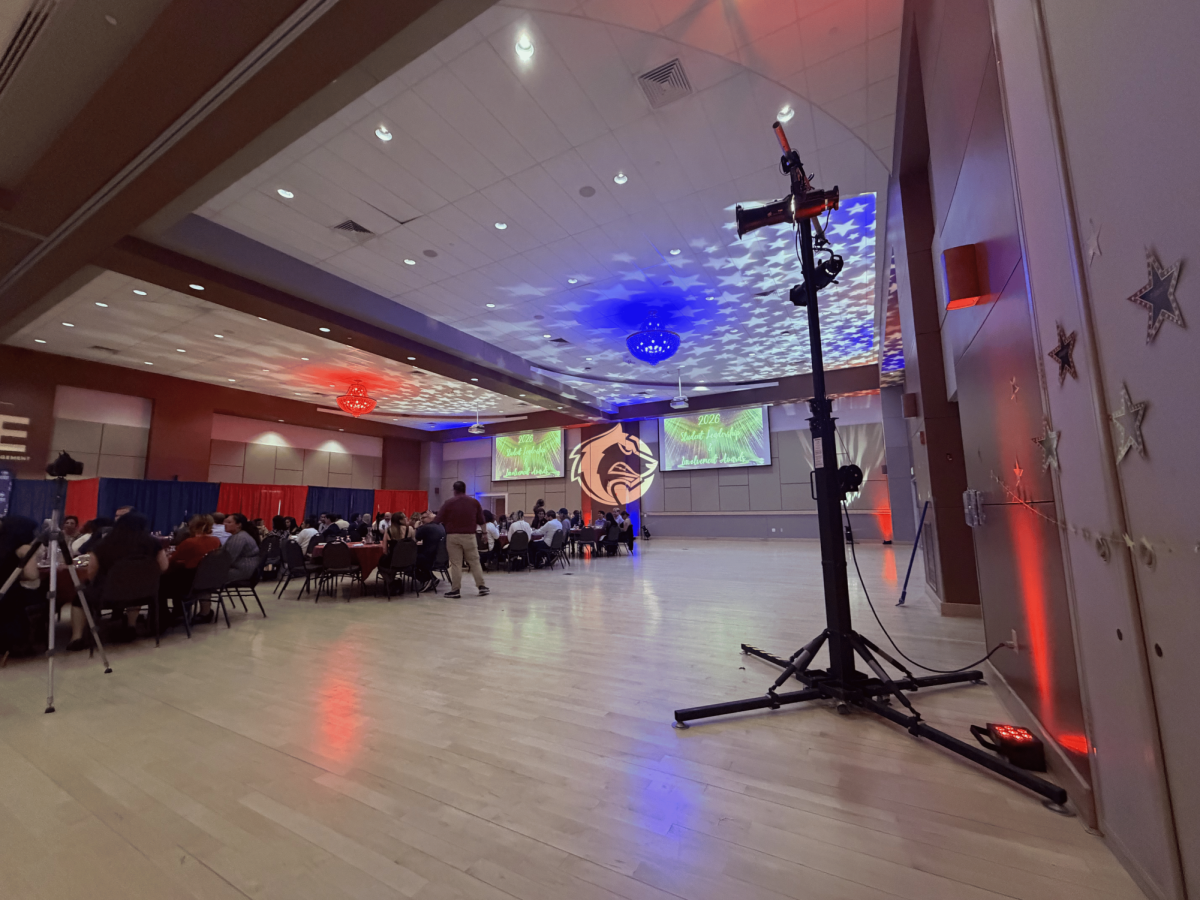
CSU Pueblo’s student life has been described as low in recent years, and many students say the experience varies sharply between the fall and spring semesters. While some students and campus organizations have worked to boost involvement through clubs, events and athletics, questions remain about whether those efforts are enough to shift the cultural perspective at the Division II university, which many perceive as a commuter school.
Students interviewed for this story repeatedly pointed to the same issue: CSU Pueblo does not feel like a traditional four-year college.
Instead, several said it resembles a community college in terms of energy, participation and overall campus engagement. Although the university offers on-campus housing and a variety of student organizations that encourage involvement, many students say the atmosphere feels quiet, inconsistent and disconnected.
One of the clearest examples of this pattern appears in club involvement. Students say the fall semester consistently brings more participation and social activity than the spring. The fall club fair, for instance, draws significantly more foot traffic, conversation and signups than the spring fair. By the time spring arrives, many clubs report lower attendance at meetings, fewer volunteers for events and a general decline in enthusiasm.
Club leaders have attempted to counter this trend by hosting more events, offering incentives and collaborating with other organizations. Despite these efforts, turnout often remains low. Some students say the issue is not the clubs themselves but the broader campus culture, which they feel lacks the momentum needed to sustain involvement throughout the year.
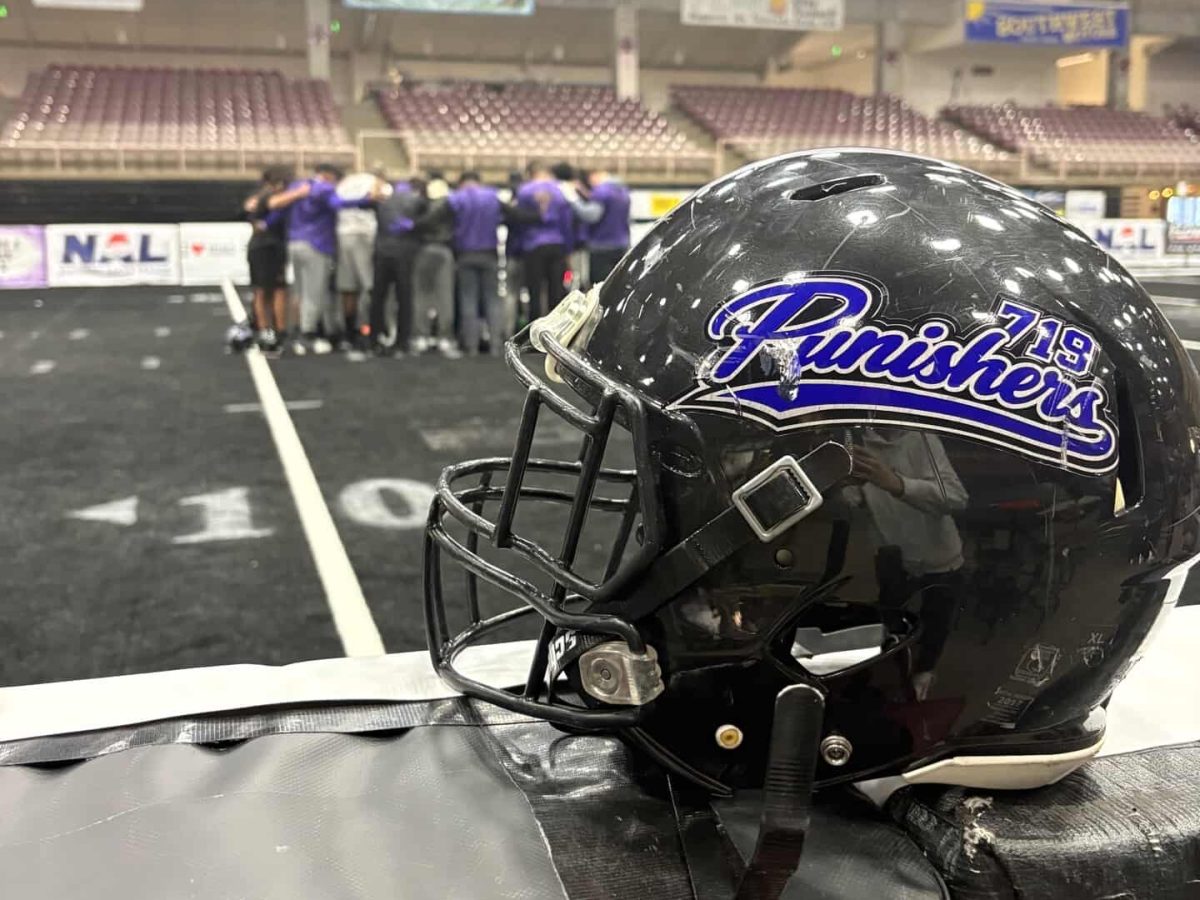
Athletics show a similar pattern. Fall sports, especially football, tend to draw larger student crowds than winter and spring sports. Students who work at athletic events have noticed that the student section is often sparse compared with other Division II schools. This has left some feeling disappointed, especially those who expected a more spirited environment when they enrolled.
“The differences between each semester have been going on for years,” said Christian, a senior who has lived on campus throughout his time at CSU Pueblo. He said the fall semester always feels more active, even if the difference is not dramatic. “It’s just noticeable. Fall has more going on, and spring feels like everything slows down.”
Another student, Lucas, compared CSU Pueblo to his previous college. “My old school’s student life stayed consistent throughout the year,” he said. “Here, it feels like everything drops off once fall ends. People get busy, tired or just stop showing up.”
Students also shared ideas for improving the spring semester. Morgan said she wishes the university would host a major event similar to PackFest, the large fall celebration that brings together students, clubs and community members.
“It gives people something to look forward to and brings everyone together,” Morgan noted.
Students arrive at CSU Pueblo expecting a more active campus life than what they experienced in high school or community college.
Some say they were surprised to find that the university’s social environment feels quieter than expected. Others say they had heard stories from older students or alumni about a time when CSU Pueblo had a stronger sense of community and more consistent involvement.
This leads to broader questions about the university’s priorities. Students wonder whether CSU Pueblo is doing enough to support student life or whether the commuter school identity has become too deeply rooted to change. Evident from feedback, the university could improve engagement by investing more in events, marketing, student organizations and campus traditions.
Still, not all students view the situation negatively. Lots of students noted that they appreciate the quieter environment and the flexibility that comes with a campus where many students balance school, work and family responsibilities. They argue that CSU Pueblo’s culture reflects the realities of its student population and that expecting it to mirror larger universities may be unrealistic.
Even so, the desire for improvement remains strong among those who want a more vibrant college experience. Students say they want more opportunities to connect, more reasons to stay on campus and more events that bring people together. They also want consistency—something that makes student life feel active not just in the fall but throughout the entire academic year.
As the spring semester continues, students are left wondering whether the university will take steps to address the issue or whether the pattern will continue. Will CSU Pueblo invest in new traditions? Will clubs find ways to keep students engaged? Will the campus ever regain the level of involvement some say existed in the past?
For now, the answers remain uncertain. But one thing is clear: many students want change, and they are hoping the university will listen.